COLLECTION EXHIBITS
Character Gallery
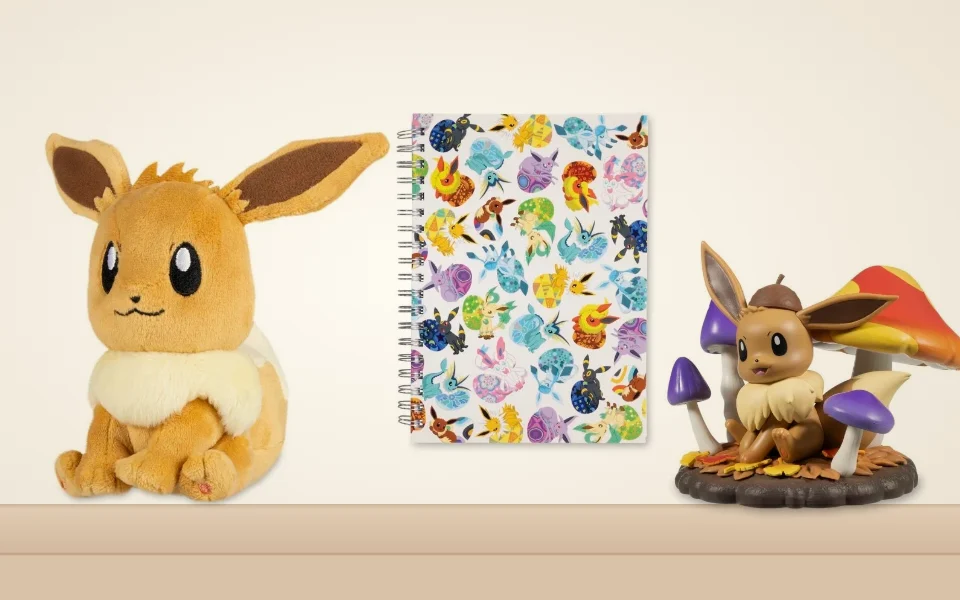
Compare five characters across plush, figures, cards, and everyday objects.
Open the galleryPocket Curio / DISCOVER
Find ideas for your next shelf arrangement, give favorite cards a place in the binder, and keep a record of the pieces with a story.
COLLECTION EXHIBITS
Compare five characters across plush, figures, cards, and everyday objects.
Open the gallery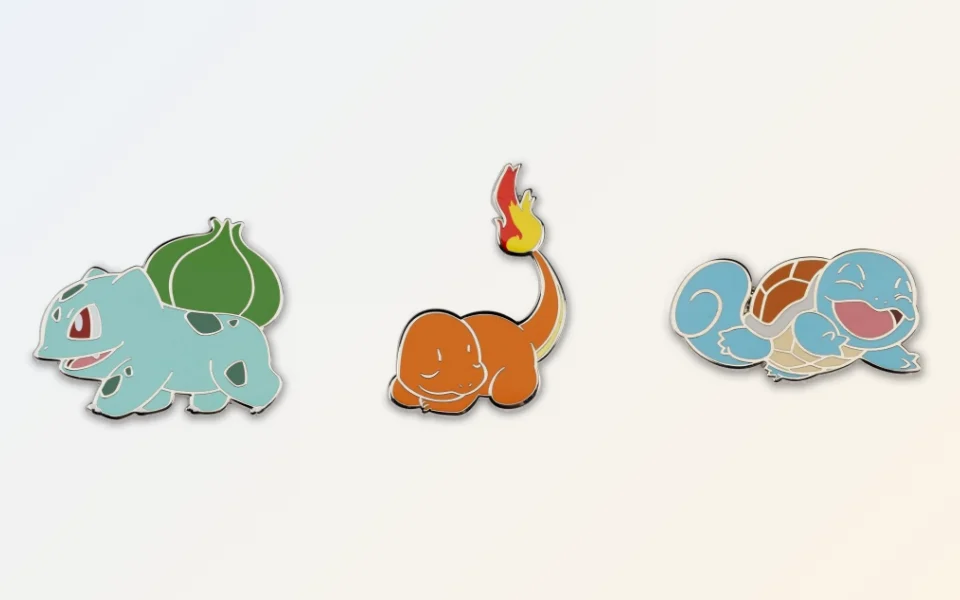
COLLECTION EXHIBITS
Enlarge four annotated photos to see what each format brings out.
Open the exhibit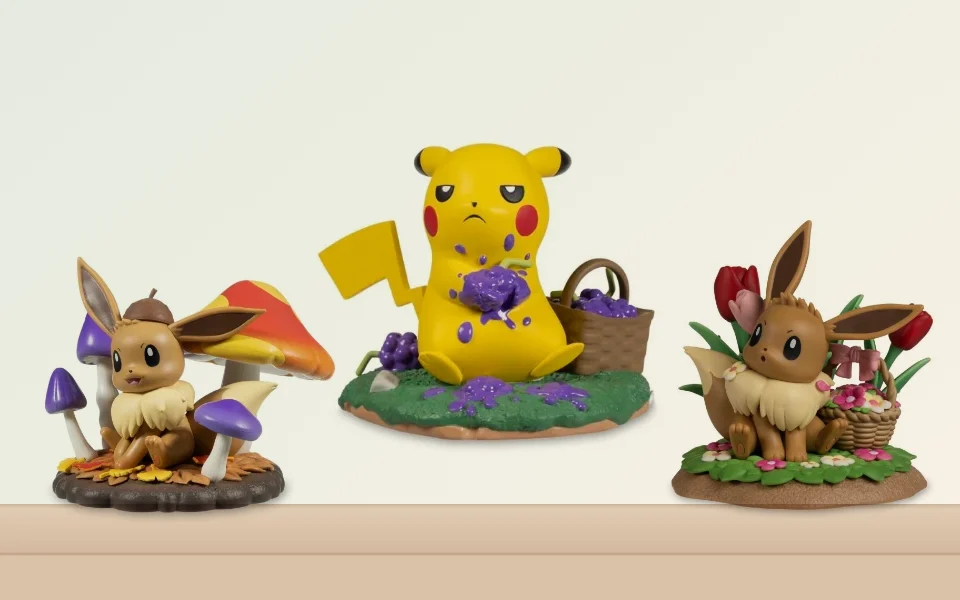
DISPLAY
Move a plush, card, and figure to see how space and depth affect the view.
Try an arrangement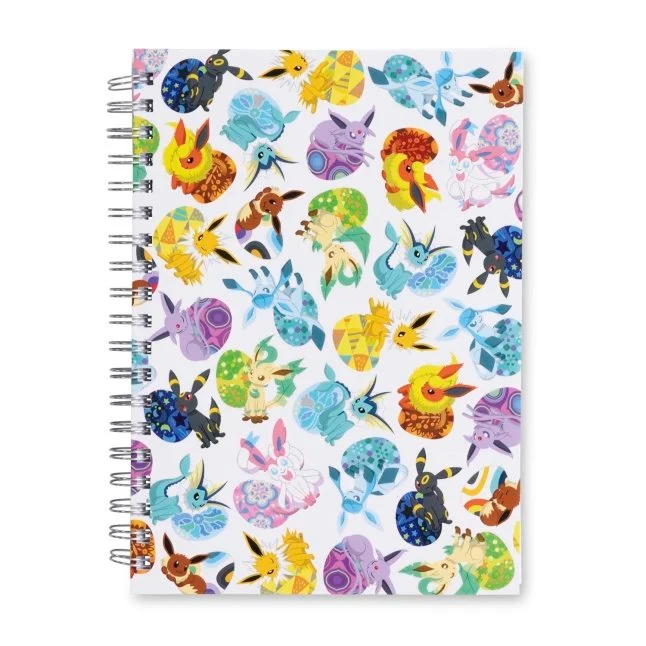
FEATURED STORY
Give a piece a name, a location, and one detail you would miss in a photo. A sample pin entry shows what that looks like.
Read the storyCOLLECTING BY FORMAT
Explore seven ways to collect, from card art and plush toys to figures, blind boxes, apparel, backpacks, and keepsakes.
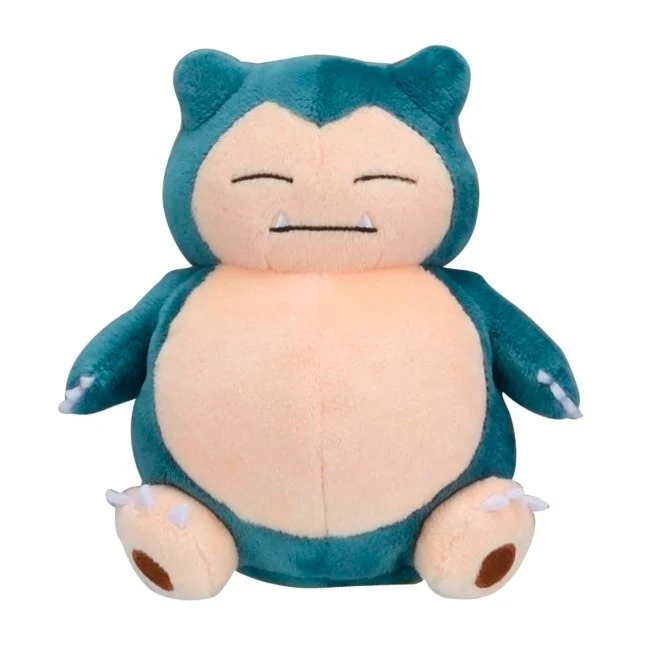
Common styles. Sitting and reclining plush show off different poses. Oversized plush can anchor a shelf, while mini plush and clip-on styles fit into tighter spaces.
How to collect. Group by character, pose, or fabric. Check shelf depth before arranging reclining pieces, and rotate a few onto display at a time so every silhouette stays visible.
Read the plush care guide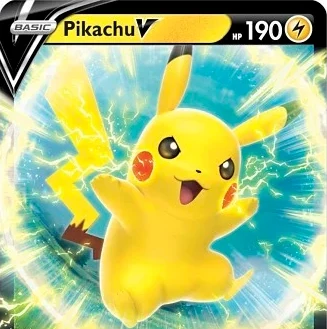
Common styles. Compare regular cards, foil finishes, and full-art illustrations. Promo cards can sit alongside set cards when your collection follows a character.
How to collect. Choose a binder order by character, set number, or art theme. Sleeve cards before putting them in pockets, and record the language and finish when two versions share the same artwork.
Read the card binder guide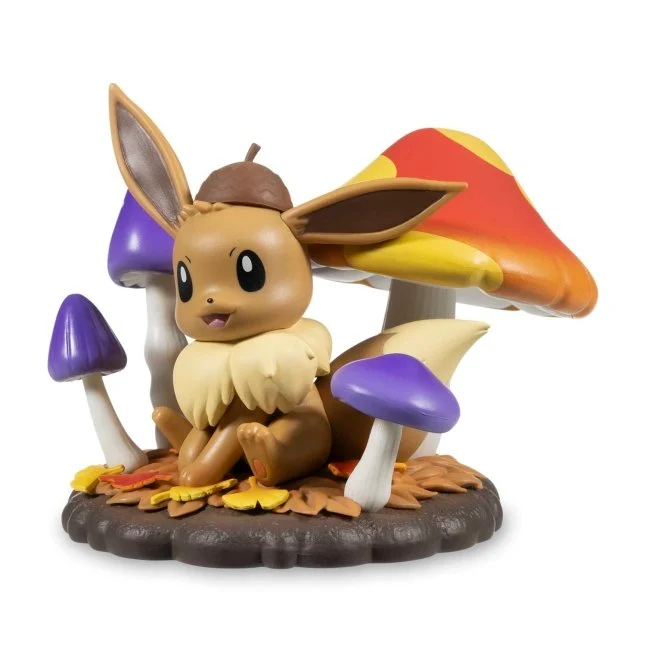
Common styles. Fixed-pose figures highlight a single expression, articulated models can be repositioned, and scene pieces use props and bases to tell a small story.
How to collect. Measure the base as well as the height. Place taller pieces behind smaller ones, leave space to see side details, and store spare parts with a label for their figure.
Plan a figure display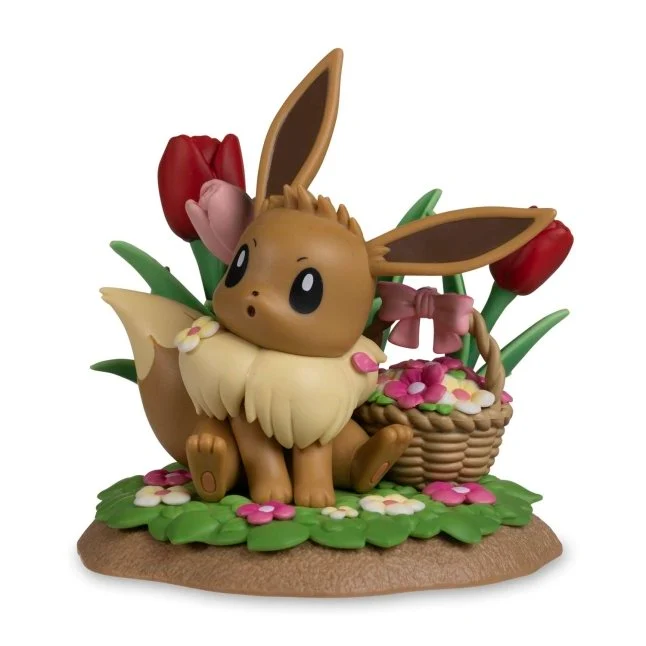
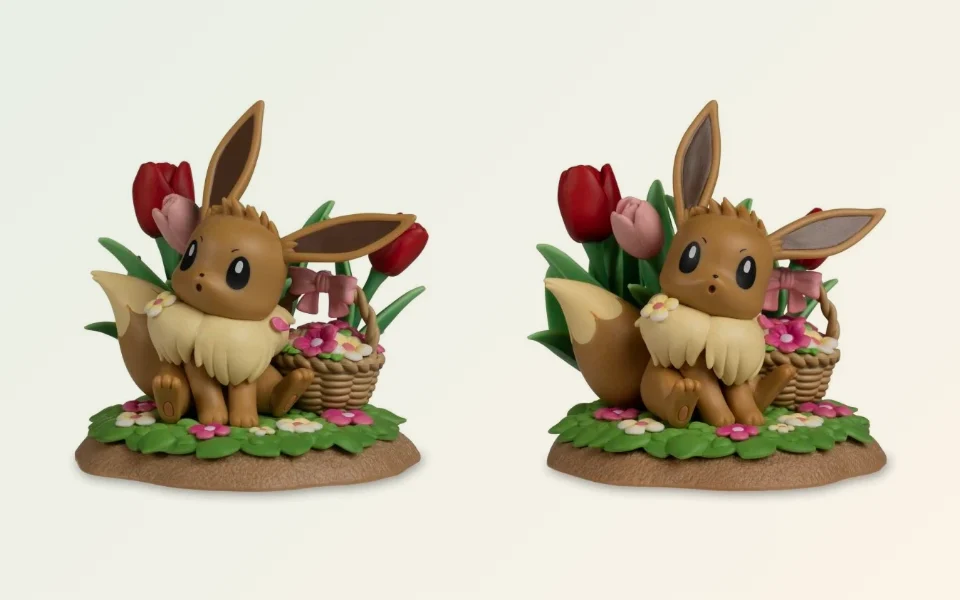
The spring and autumn figures show how a shared theme can vary.
Common styles. Blind boxes can contain mini figures, charms, or clips. The exact design stays hidden until opening. Some series include a secret variant alongside the regular lineup.
How to collect. Keep the enclosed checklist if there is one. Record each reveal by series and design, and mark duplicates separately so they’re easy to find for a swap.
Print a variant index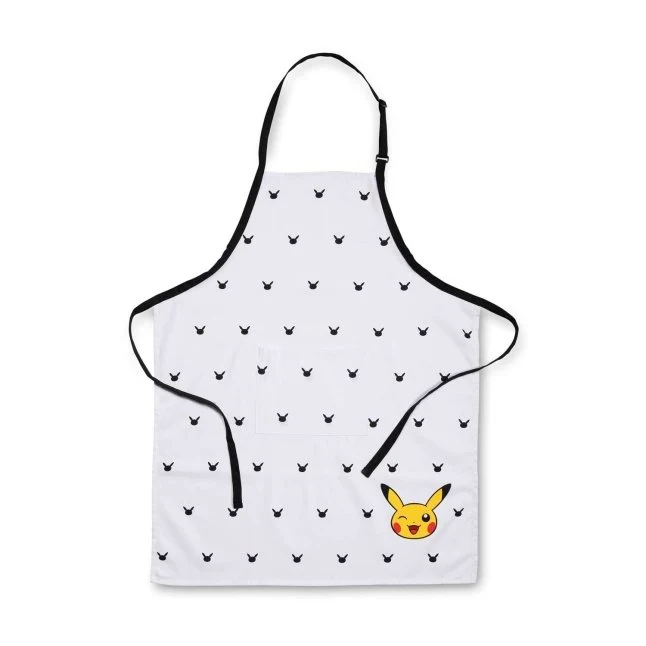
Common styles. Tees and sweatshirts often feature a large print. Caps and themed aprons can use a small character detail, embroidery, or a repeating pattern.
How to collect. Group by garment type or motif. Record size and condition, photograph the print or stitching, and follow the care label before washing a piece you wear.
Read the photography guide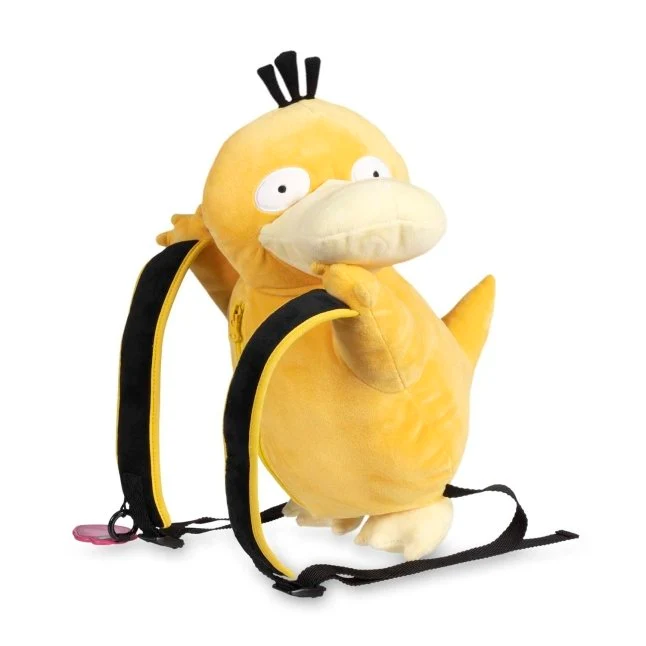
Common styles. Character-shaped packs emphasize the silhouette, while everyday backpacks use prints or patches. Mini backpacks and styles with clear pin panels put decorative details up front.
How to collect. Group by size or design. Photograph the front, straps, and pockets, and note where you store detachable charms and inserts.
Keep a collection journal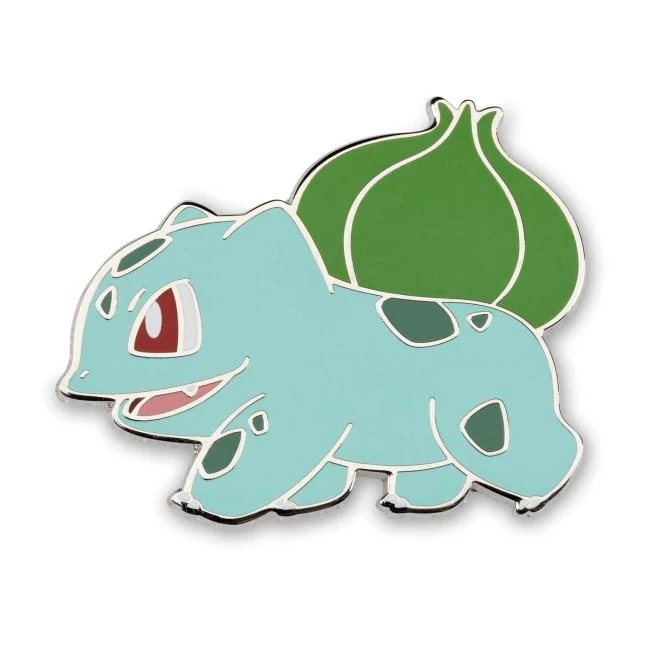
Common styles. Enamel pins use metal outlines and solid color, acrylic charms show printed artwork, and key rings or magnets add different ways to attach and display a design.
How to collect. Sort small pieces by character or theme. Pin badges to a fabric board, separate charms in a shallow tray, and record the backing or clasp with each piece.
Read the pin board guideCompare how patterns, poses, props, and materials give familiar characters a different look across collectibles.
See how repeated motifs, a centered portrait, and a small accent work on two notebooks and an apron.
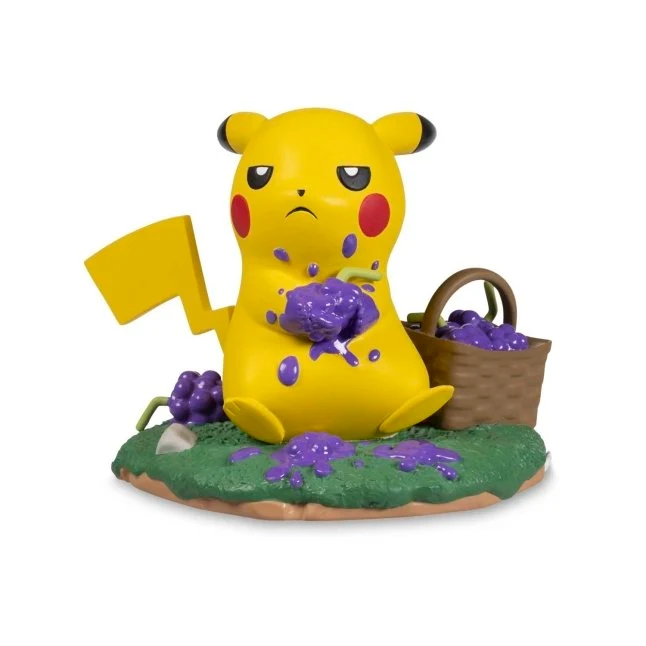
See what a berry basket, stars, and an envelope add to three different Pikachu poses.
Compare spring flowers, autumn mushrooms, and a berry scene from two angles each.
See how Psyduck, Bulbasaur, and Pikachu are translated into backpack shapes and prints.
Compare a row of related characters with three poses of the same character.
COLLECTION EXHIBITS
Find a favorite character or take a closer look at the details in the collection.
Compare five characters across plush, figures, cards, and everyday objects.
Enlarge four annotated photos to see what each format brings out.
Move a plush, card, and figure to see how space and depth affect the view.
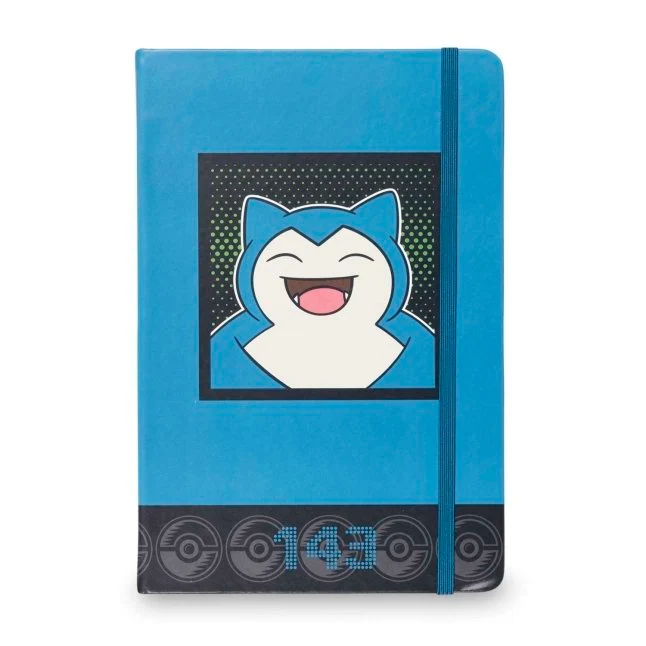
Keep a list of characters, locations, and duplicates you can export or print.
Browse seasonal figures, enamel colors, and soft character shapes.
Find quick definitions for card finishes, figure parts, and other collecting terms.
Put up to three characters side by side in the same format.
Find characters, collecting terms, and pages from one search box.
Answer four questions using details marked on project photos.
Pocket Curio / COLLECTOR’S EDIT
Try a shelf or binder setup, read two short stories about keepsakes, or print a sheet to record what you collect.
DISPLAY GUIDE
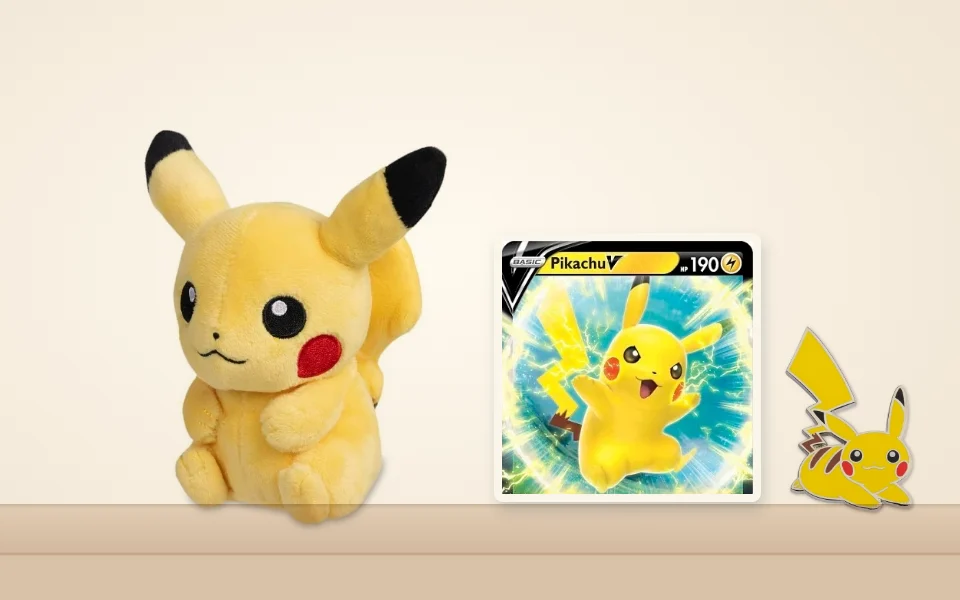
Compare a Pikachu display with an Eevee arrangement to see how spacing and height work across formats.
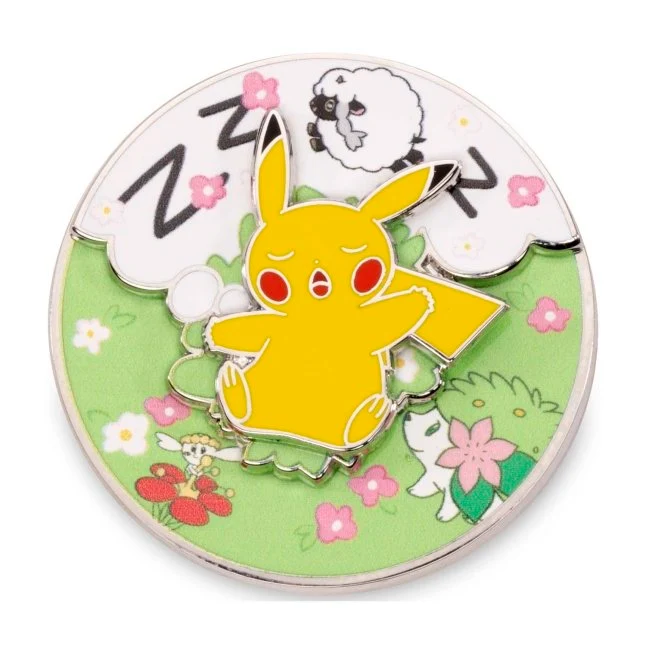
COLLECTION STORY
At a rainy swap, Mina trades a familiar pin for a blue raindrop. A pencil sketch helps her decide where it belongs.
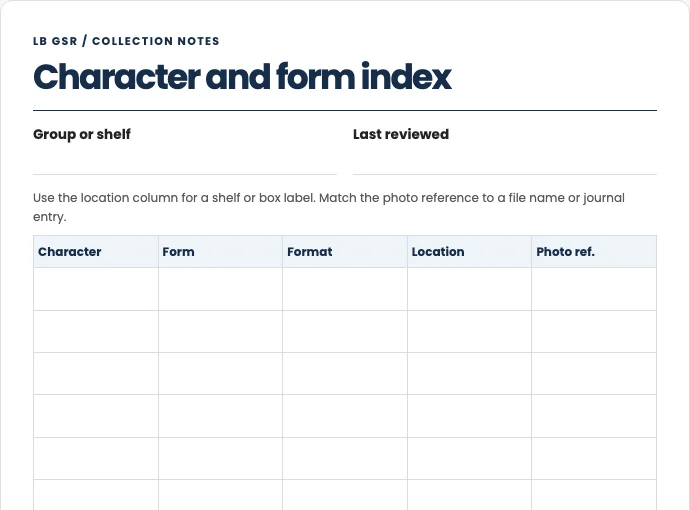
PRINTABLE TEMPLATE
Give each piece its own row and link items across formats using shelf labels and photo references.
COLLECTION NOTES
Start with one entry. Use short labels to connect the object, its location, and its photo.
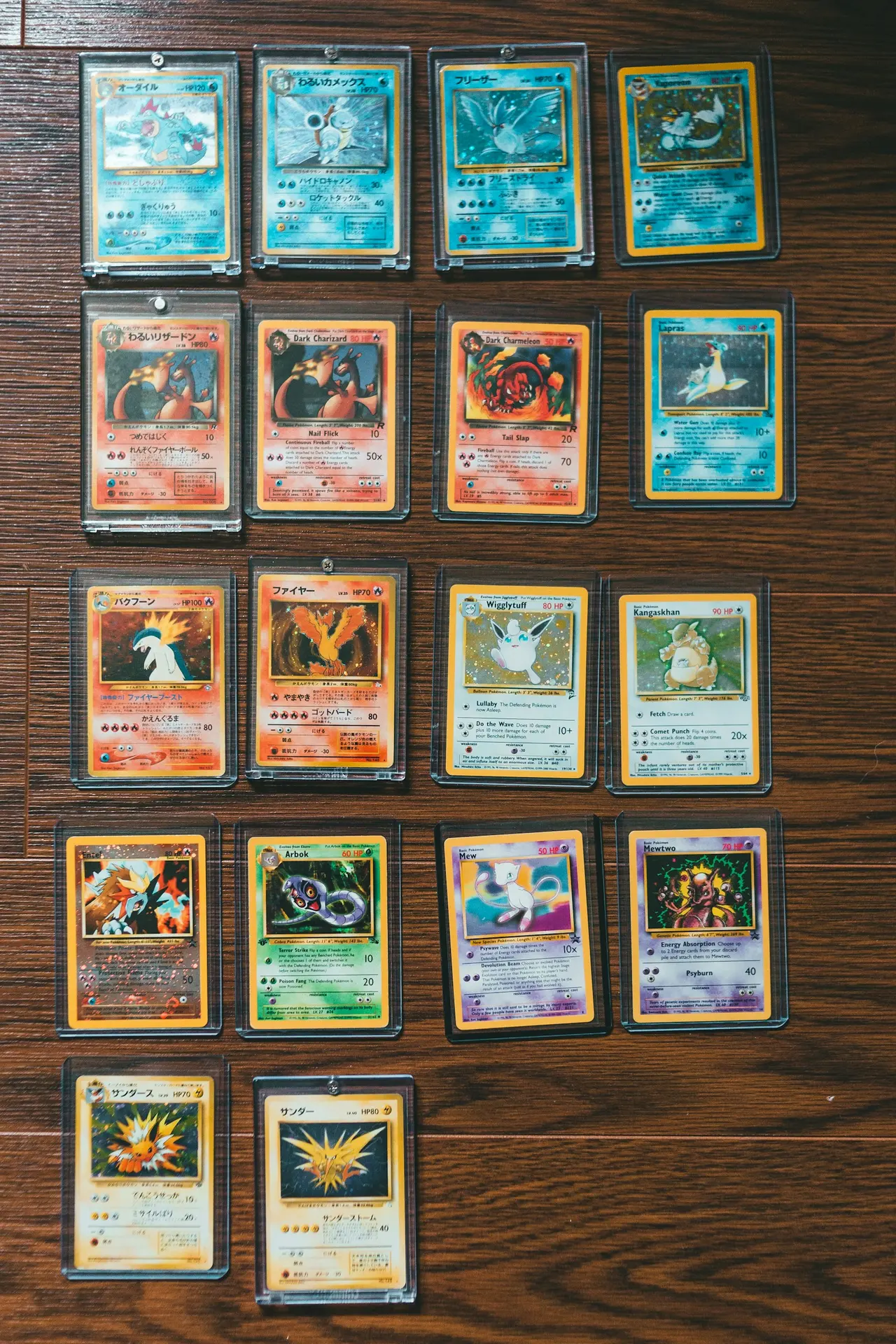
CARD COLLECTING
Compare three ways to sort cards and make room for gaps, variants, and pieces taken out for display.
DISPLAY
Try layouts for a desk corner, a narrow bookcase, or a cabinet shelf. Check the footprint of each piece before arranging it.
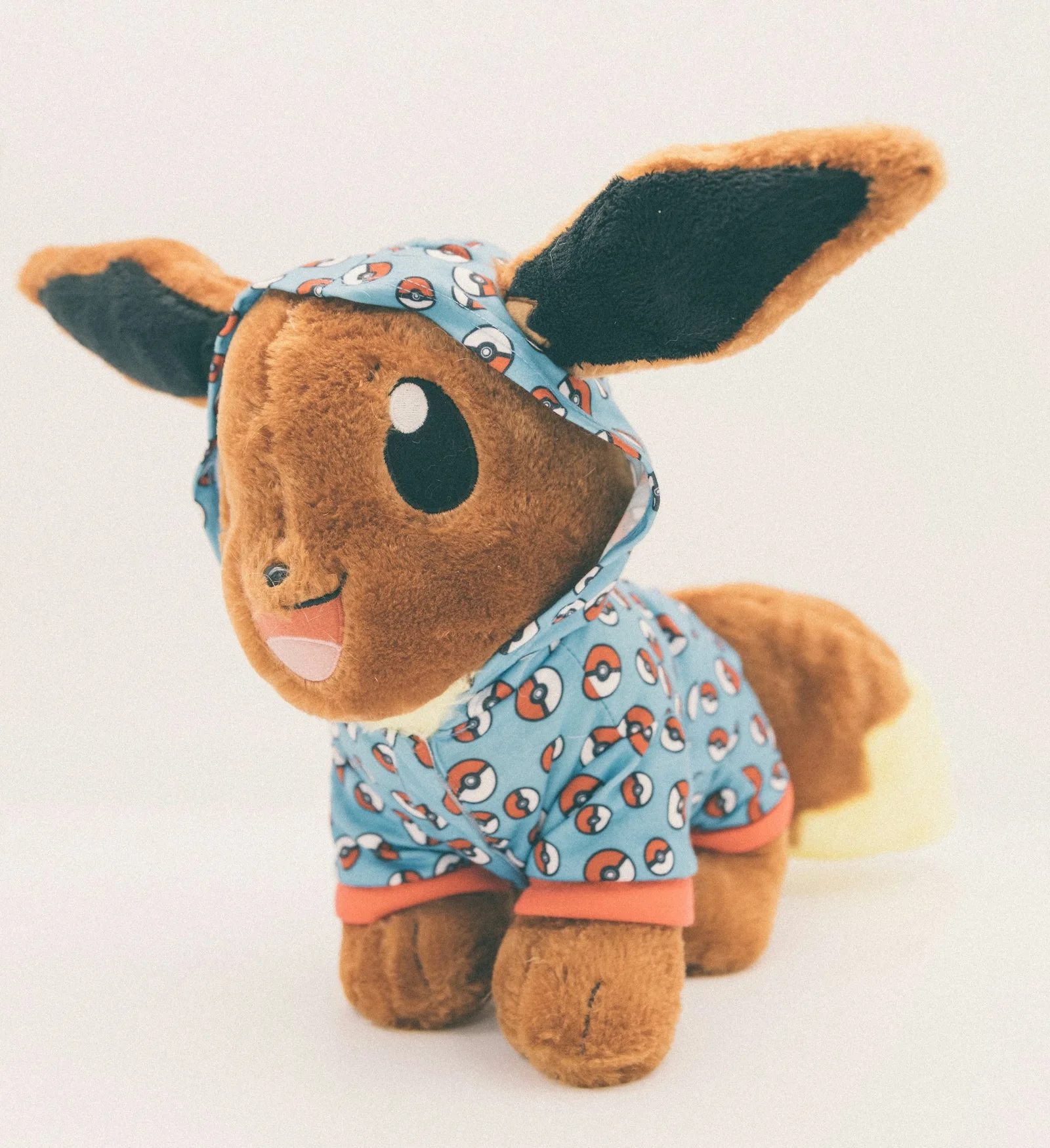
CARE & STORAGE
Use the care label and a few reference photos to check wear before you clean, store, or rotate a piece.
ORGANIZATION
Group pins by theme, sketch a grid on paper, or arrange smaller pins around one larger piece.
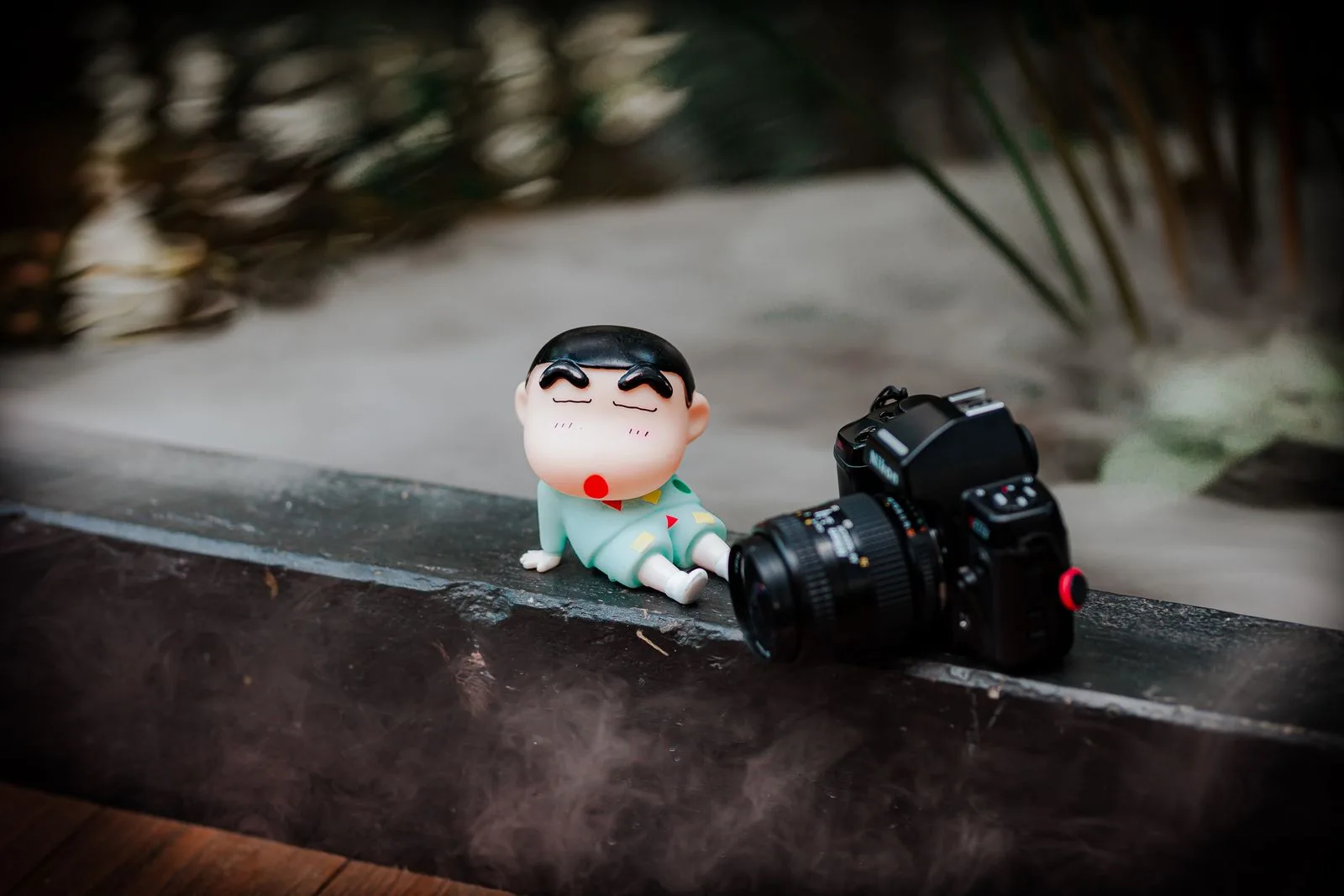
PHOTOGRAPHY
Use window light to capture shape and finish, then name front, side, and detail photos so you can compare them later.
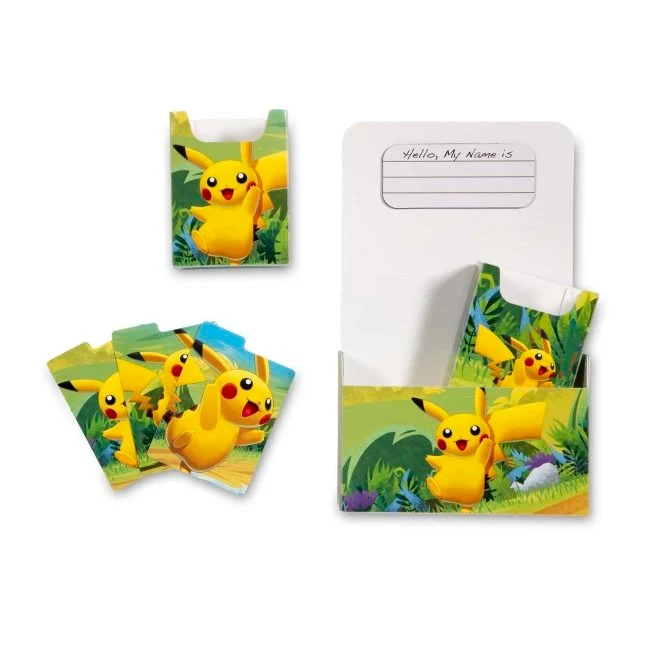
COLLECTION STORY
A folded paper star brings back a rainy afternoon. Two sisters remember different parts of it.
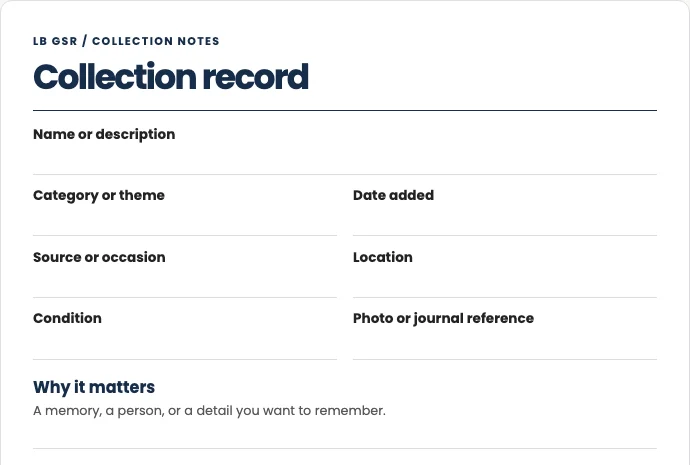
PRINTABLE TEMPLATE
Record one keepsake’s source, condition, and location, with room for a memory and a follow-up note.
DISPLAY GUIDE
Compare a Pikachu display with an Eevee arrangement to see how spacing and height work across formats.
COLLECTION STORY
At a rainy swap, Mina trades a familiar pin for a blue raindrop. A pencil sketch helps her decide where it belongs.
PRINTABLE TEMPLATE
Give each piece its own row and link items across formats using shelf labels and photo references.